Best Mens Waterproof Hiking Shoes for All-Terrain Adventures
Finding the right waterproof hiking shoes for men involves balancing waterproofing, support, comfort, and traction. The following selections emphasize durable materials, reliable grip, and breathable designs suitable for American trails, from muddy forest paths to rocky alpine routes. Each option below is built to keep feet dry while offering long-lasting performance on varied surfaces.
Summary of chosen products:
| Product | Brand | Key Benefit | Waterproofing | Best For |
|---|---|---|---|---|
| Merrell Men’s Moab 3 Hiking Shoe | Merrell | All-day comfort, debris protection | Yes | Gentle to moderate trails |
| Columbia Crestwood | Columbia | Nimble, versatile everyday hiking | Yes | Casual to moderate hikes |
| Columbia Newton Ridge Plus II Waterproof Hiking Boot | Columbia | Durable midsole, strong traction | Yes | Rugged terrain, wet days |
| KEEN Targhee 4 Low Height | KEEN | Broad toe box, all-terrain grip | Yes | Mud, rock, forest |
| Columbia Strata Trail Low Waterproof | Columbia | Multi-terrain traction, breathable | Yes | Wet days on varied surfaces |
Merrell Men’s Moab 3 Hiking Shoe
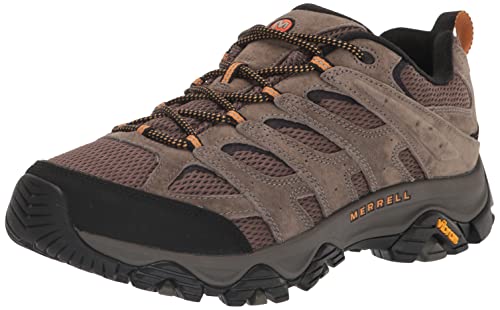
The Merrell Moab 3 is a popular choice for hikers seeking dependable waterproof performance with a comfortable, intuitive fit. Its pigskin leather and mesh upper provides a balance of durability and breathability, while 100% recycled laces and webbing support sustainable design. The bellows tongue helps keep debris out on dusty or rocky trails, which contributes to faster, more comfortable days on the go. The Moab 3 is suited for broad use—from casual weekend adventures to longer day hikes—thanks to a trusted midsole and reliable traction profile.
Columbia Crestwood

The Crestwood integrates a versatile upper built from suede leather, mesh, and webbing for durability and flexible movement. It pairs with Columbia’s TechLite midsole to deliver long-lasting cushioning and energy return, making it suitable for all-day wear on mixed-terrain trails. This model emphasizes comfort without sacrificing protection, ideal for hikers who anticipate variable conditions and want a light, agile boot that transitions easily from city streets to forested paths.
Columbia Newton Ridge Plus II Waterproof Hiking Boot

This Newton Ridge Plus II model emphasizes waterproof protection via full-grain leather and mesh bootie construction, with a rugged outsole designed for traction on rough ground. The midsole focuses on cushioning and energy return, reducing fatigue on long hikes. An adjustable lace-up closure allows a secure fit, while the water-friendly materials help keep feet dry through variable weather. Overall, it’s a steady choice for wet trails, rockier terrain, and mixed conditions.
KEEN Targhee 4 Low Height

KEEN’s Targhee 4 Low Height offers strong all-terrain performance with a KEEN.DRY waterproof membrane to keep moisture out while allowing breathability. Construction emphasizes direct-attach cushioning for longevity, and the redesigned tread—Keen.All-Terrain rubber with 4mm multi-directional lugs—provides solid grip on mud, rocks, and uneven surfaces. The shoe also emphasizes sustainability with recycled PET laces and a breathable mesh lining, pairing environmental responsibility with rugged use in the field.
Columbia Strata Trail Low Waterproof

The Strata Trail Low Waterproof emphasizes Omni-Tech waterproof protection with a breathable system designed to shed excess heat and moisture. Its TechLite midsole provides lightweight cushioning and energy return, while the Omni-Grip outsole handles traction across rock, dirt, and gravel in wet or dry conditions. The combination aims at multi-surface stability, making it a capable option for hikers who face mixed weather and terrains on day trips or longer explorations.
Buying Guide
- <strongWaterproofing vs. Breathability: Look for boots with a balanced waterproof membrane (such as KEEN.DRY or Omni-Tech) and a breathable lining to prevent overheating on long hikes.
- <strongTraction and outsole design: All-terrain lugs, rubber compounds, and tread patterns matter more on wet rocks and muddy trails than on pavement. Consider the typical terrain you hike.
- <strongSupport and fit: A secure heel cup, good arch support, and a roomy toe box reduce fatigue and prevent blisters. Try different widths if available.
- <strongDurability and materials: Suede, leather, and mesh offer different durability and weight. Fully waterproof leather uppers tend to last longer but may be stiffer at first.
- <strongWeight and comfort: Lighter models reduce fatigue, but may compromise cushioning. Midsole materials like TechLite or proprietary foams affect comfort and energy return.
- <strongLacing and adjustability: A reliable lacing system and a secure toe cap help ensure a snug fit on uneven terrain.
- <strongSustainability: Some models incorporate recycled materials in laces and lining, aligning with eco-conscious hiking gear choices.
- <strongActivity level: For day trips on well-maintained trails, a lighter shoe may suffice; for rugged expeditions, a sturdy boot with robust ankle support might be preferred.
For the best experience, consider trying on multiple models with the socks you typically wear on hikes. If possible, test in a store that allows walking on different surfaces or returning after a short outdoor trial. Each brand’s sizing can vary, so it’s wise to verify fit and comfort across several days of use.
Leave a Reply